The Canelé is a testament to the “Waste-Not” history of French cooking. In the 18th century, winemakers used egg whites to clarify their wines (finishing). The leftover egg yolks were given to local nuns, who combined them with flour and sugar to create these fluted cakes. Modern mastery of the Canelé requires an obsession with thermal conductivity and the specific behavior of beeswax as a release agent.
The Architecture of Gravity: The 2026 Reinvented Tarte Tatin
The Tarte Tatin was famously a mistake—an upside-down accident by the Tatin sisters in 1898. In 2026, French patissiers have turned this accident into a feat of engineering. Moving away from the “soggy bottom” syndrome, this modern iteration uses a Reverse Lamination (Pâte Feuilletée Inversée) and a Vacuum-Compressed Apple technique to create a dessert that is architecturally stable yet melts like a cloud.
The Thermodynamics of Caramelization: A Scientific Approach to Soupe à l’Oignon
Most home cooks fail at French Onion Soup because they misunderstand the Maillard reaction. This is not a 20-minute soup; it is a 2-hour chemical transformation. We analyze the breakdown of onion sugars and the importance of enzymatic hydrolysis to create a broth that is naturally sweet, deeply savory, and hauntingly dark without the use of additives.
The Soul of Marseille: Why Authentic Bouillabaisse is a Ritual, Not Just a Soup
Most “seafood stews” are just tomato broth with fish. Authentic Bouillabaisse Marseillaise is an aromatic symphony of saffron, fennel, and orange zest, defined by its specific serving ritual: the broth comes first, followed by the filleted fish, all accompanied by a pungent, garlicky “Rouille.” This article explores how to recreate the magic of the Mediterranean coast in your own kitchen.
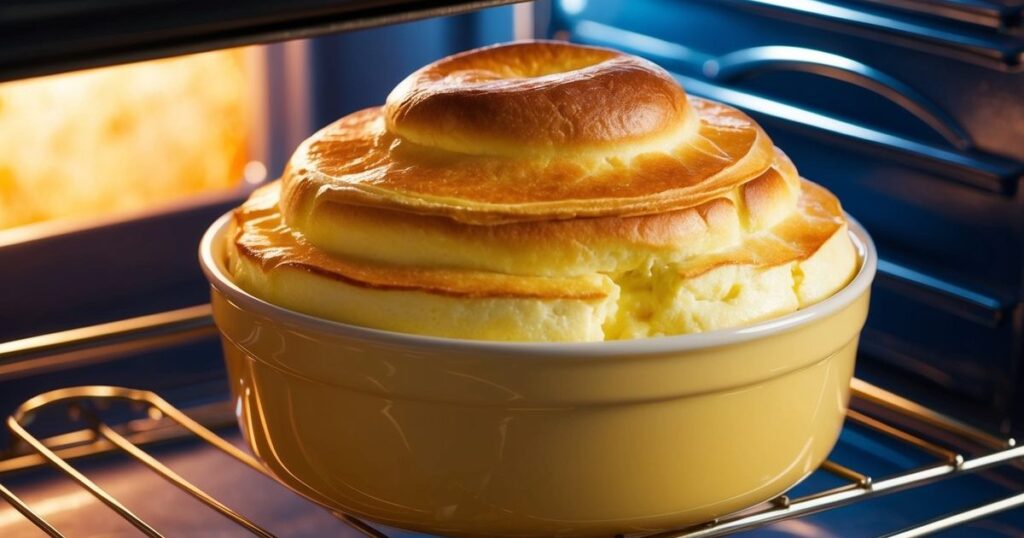
The Rising Star: Master the Classic French Cheese Soufflé
The soufflé is a culinary poem to physics and flavor. This guide demystifies the process of creating a lofty, air-light masterpiece with a golden crust and a molten, savory heart. We focus on the precision of the “Roux” and the delicate folding of egg whites—the two pillars that ensure your soufflé rises every time.
The Art of Slow Cooking: Authentic French Coq au Vin
Summary: Master the quintessential French farmhouse classic. Coq au Vin is a rich, velvety red wine braise featuring tender chicken, smoky lardons, and earthy mushrooms. This guide breaks down the traditional “low and slow” technique to achieve a restaurant-quality sauce and fall-off-the-bone texture.