Mole is not a sauce; it is a philosophy of patience. Legend says it was created by nuns in the Santa Rosa Convent to impress an archbishop, but its roots are purely indigenous. This article focuses on the “Deep Toast” technique—the specific art of burning ingredients just enough to release bitterness without carbonizing them. In 2026, the best Moles are judged by their “Matte Finish” and their ability to taste different with every bite.
The Fat-Acid Equilibrium: The Neo-Izakaya Guide to Aburi Shime Saba
Plain sashimi is about freshness; Shime Saba is about transformation. This is a two-stage curing process—first with salt to draw out moisture, then with vinegar to “cook” the proteins without heat. In the 2026 Neo-Izakaya style, we finish the dish with a high-intensity flame to liquefy the subcutaneous fat, creating a smoky, melt-in-your-mouth texture that defies the oily reputation of the mackerel.
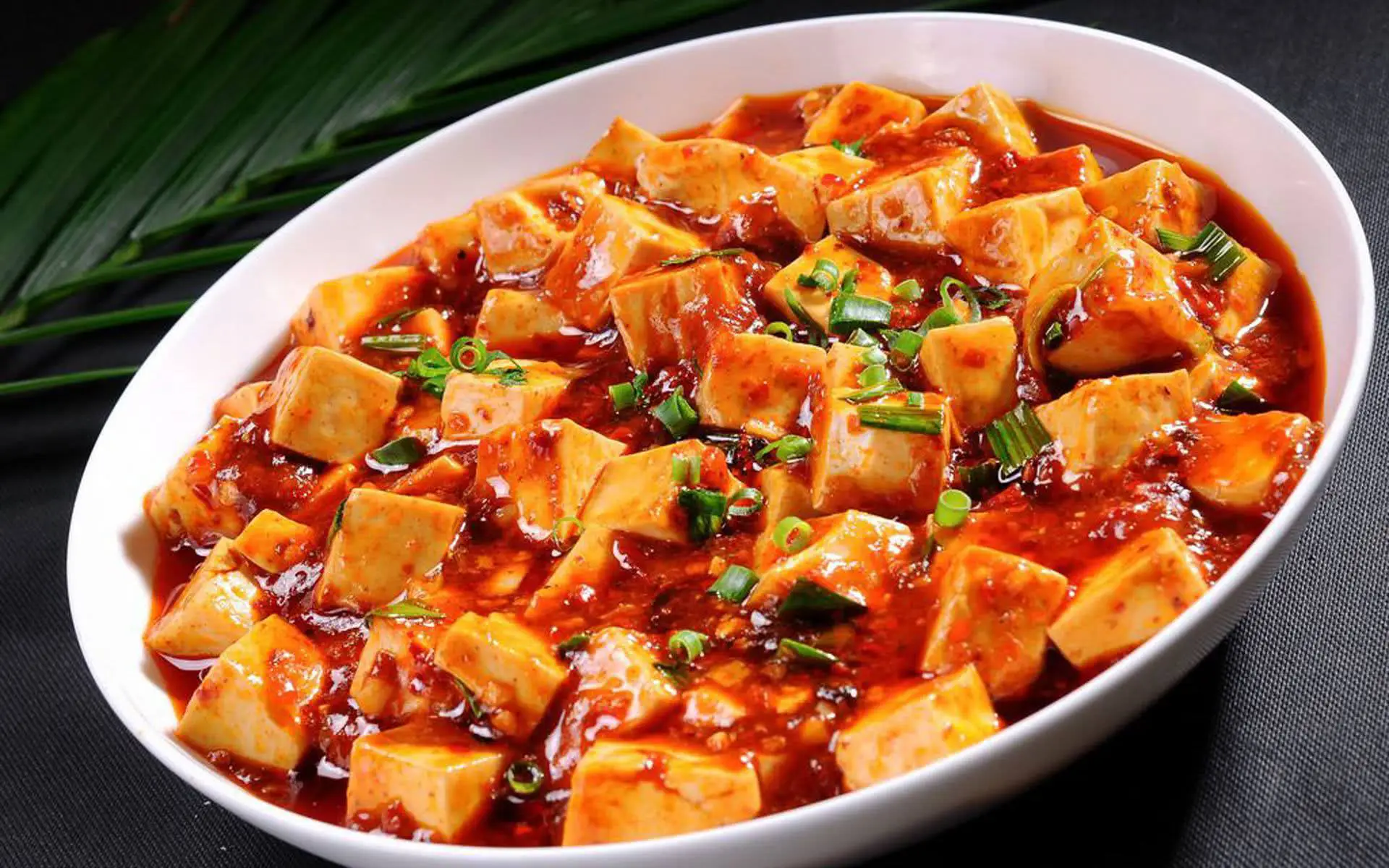
The Architecture of Umami: Deconstructing Authentic Mapo Tofu
Authentic Mapo Tofu is defined by eight traditional characters: Ma (Numbing), La (Spicy), Tang (Hot), Kun (Bound), Su (Crispy), Nen (Tender), Xian (Fresh), and Huo (Lively). While westernized versions often resemble a watery stew, a true Mapo Tofu is an emulsion—a thick, vibrant red oil sauce that clings to every cube of silken tofu.
The Architecture of Gravity: The 2026 Reinvented Tarte Tatin
The Tarte Tatin was famously a mistake—an upside-down accident by the Tatin sisters in 1898. In 2026, French patissiers have turned this accident into a feat of engineering. Moving away from the “soggy bottom” syndrome, this modern iteration uses a Reverse Lamination (Pâte Feuilletée Inversée) and a Vacuum-Compressed Apple technique to create a dessert that is architecturally stable yet melts like a cloud.
The Art of the “Mala” Poach: A Masterclass in Sichuanese Shui Zhu Yu
Do not let the name fool you. While it translates to “Water-Boiled Fish,” the water is actually a rich, spiced broth, and the “boiling” is a gentle, velvet-textured poach. This dish is the definitive expression of Sichuanese Umami—a complex layering of fermented bean paste, dried aromatics, and the electrical tingle of the Sichuan peppercorn. We are deconstructing the three-stage process: the Marination, the Infusion, and the “Smoking Oil” finale.
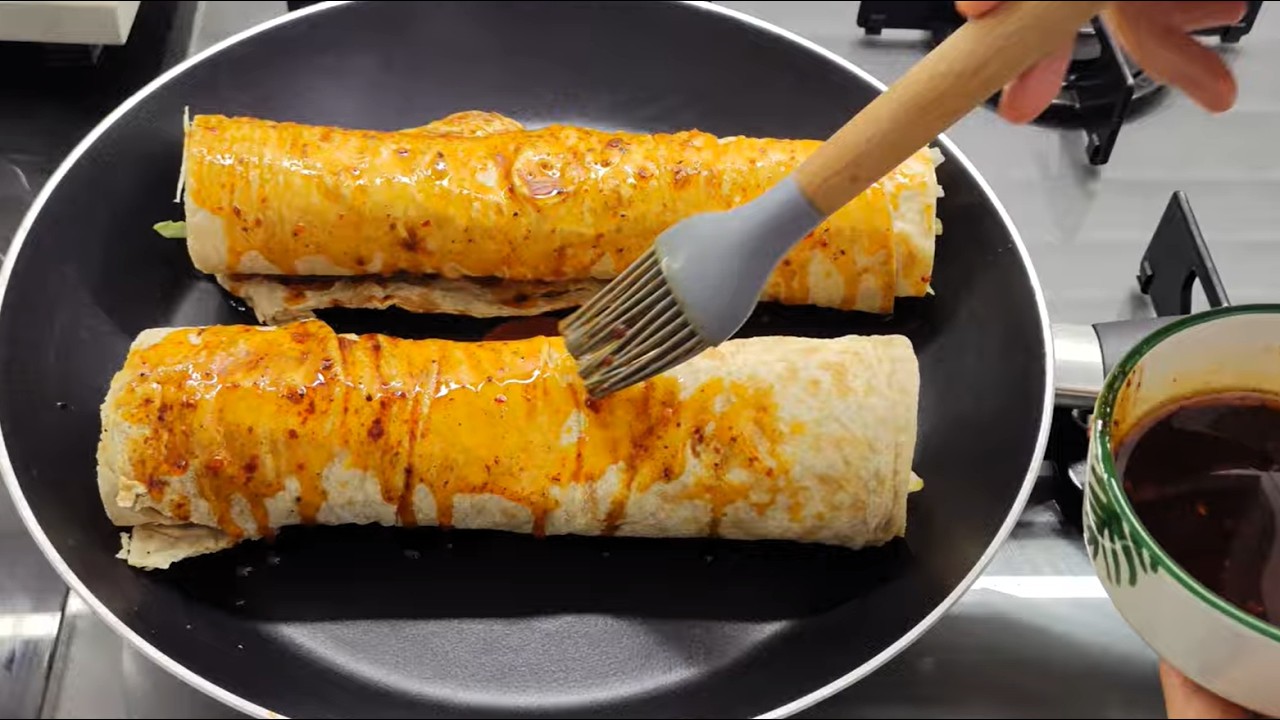
The Smoke on the Water: Recreating the Iconic Bosphorus Balık Ekmek
If you’ve ever walked across the Galata Bridge at sunset, you’ve smelled it: the intoxicating scent of oily fish hitting a scorching griddle, mingling with the salt air of the Marmara Sea. Balık Ekmek is the ultimate Istanbul fast food. It’s a deceptively simple sandwich that relies on three variables: the freshness of the mackerel, the crunch of the bread, and the sharp hit of lemon and onion. This guide brings the dockside experience to your home kitchen.
The Year of Living Dangerously: A Manifesto on Hand-Crafted Miso
This guide ignores the quick-fix supermarket tubs and focuses on the traditional Shikomi (preparation) of miso. We are looking at a one-year fermentation cycle where Aspergillus oryzae (Koji mold) works in silence to transform simple legumes into a complex, umami-rich paste. This is a project about microbiology, salt ratios, and the virtue of waiting.
The Golden Strands of Piedmont: A Deep Dive into the 30-Yolk Tajarin
While most Italian pasta recipes call for 1 egg per 100g of flour, the legendary Tajarin (the Piedmontese dialect for Tagliolini) pushes the boundaries of culinary logic by using up to 30 egg yolks per kilo of flour. The result is a pasta that is impossibly thin, vibrantly orange, and possesses a “snap” that no other noodle can replicate. This article deconstructs the technique of high-ratio yolk doughs and the art of the “emulsified butter” sauce.
The Underground Alchemy: Deciphering the Cochinita Pibil
Cochinita Pibil is a pre-Hispanic masterpiece that defies the “taco” stereotypes. It is not about heat; it is about the interplay between the earthy bitterness of Achiote (annatto), the floral acidity of Sour Orange, and the smoky perfume of Banana Leaves. Traditionally cooked in a Pib (an underground earth oven), this guide shows you how to replicate that “buried” intensity in a modern kitchen.
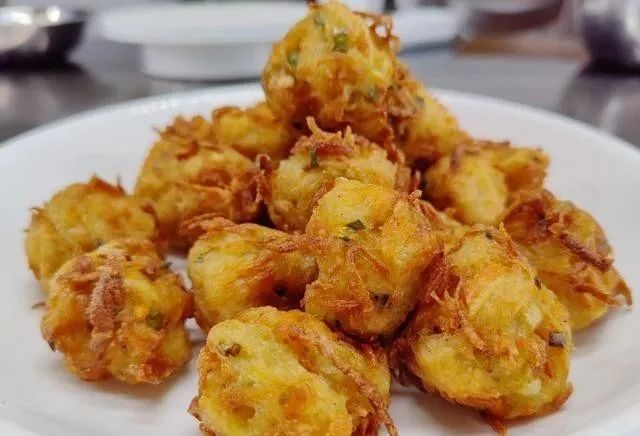
The Physics of the Potato: A Technical Guide to Light-as-Air Gnocchi
This is a deep dive into the mechanics of the potato dumpling. We ignore the vague “add flour until it feels right” advice and focus on the variables that matter: starch-to-moisture ratios, temperature control, and the “Rigate” surface area.