The Essential Components: The Sichuan Pantry
The depth of this dish comes from fermented ingredients that provide “The Soul of Sichuan”:
- Pixian Doubanjiang (Fermented Broad Bean Paste): This is the most critical ingredient. For a “Banquet Quality” dish, look for 3-year aged Doubanjiang. It is dark, salty, and intensely savory.
- Douchi (Fermented Black Beans): These provide small bursts of concentrated umami and a subtle sweetness that balances the salt.
- Hanyuan Sichuan Peppercorns: Specifically the red “Da Hong Pao” variety. These provide the Paresthesia (numbing sensation) that allows you to eat high-heat chilies without overwhelming your taste buds.
- Minced Beef: Traditionally, Mapo Tofu uses beef, not pork. The beef is fried until “Su” (completely dehydrated and crispy) to provide a textural contrast to the soft tofu.
The Technical Protocol: The “Triple-Thickening” Method
I. The Pre-Treatment (The Brine)
Before the tofu touches the wok, it must be simmered in lightly salted water.
- The Science: This process is called osmosis. The salt draws out excess moisture, making the tofu resilient so it doesn’t shatter during the stir-fry. It also ensures the tofu is “Tang” (piping hot) all the way to its core.
II. The “Su” (Crispy) Beef Foundation
Sear the minced beef in a generous amount of oil until it stops steaming and starts to sizzle.
- The Action: You are removing all moisture from the meat. When the meat is dry, it will absorb the spicy oil later, turning into little “flavor bombs” amidst the soft tofu.
III. The Red Oil Emulsion
Add the Doubanjiang and Douchi. Fry over low heat until the oil turns a translucent, brilliant red.
- The Goal: You are extracting the fat-soluble capsaicin and aromatic esters from the fermented beans. If the oil is not red, the flavor will be flat.
IV. The Triple Starch “Binding” (Kun)
This is the hallmark of a professional chef. You do not add starch water all at once.
- First Addition: To thicken the base liquid.
- Second Addition: To “bind” (Kun) the sauce to the tofu.
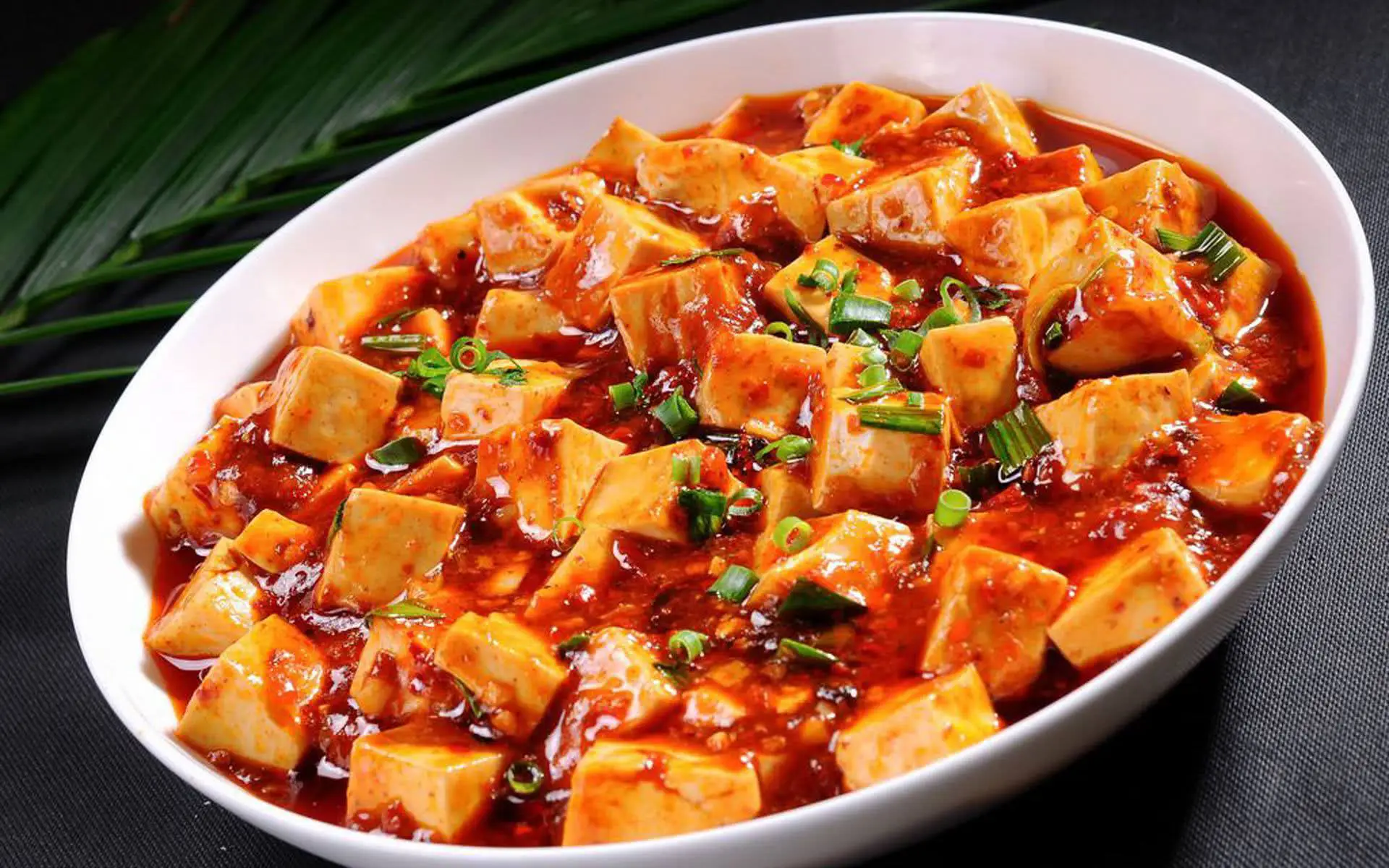
- Third Addition: To force the oil to separate from the water. This creates a protective “oil seal” on top that keeps the dish steaming hot until the very last bite.
The “Mala” Troubleshooting
- “My tofu is falling apart.”
- Diagnosis: You used extra-firm “Western” tofu or stirred too aggressively.
- Fix: Use Silken or Soft Tofu for the authentic mouthfeel, but treat it gently. Use the back of your ladle to “push” the tofu through the sauce rather than “lifting” it.
- “The sauce is watery and separates on the plate.”
- Diagnosis: Inadequate starch activation or skipping the triple-addition method.
- Fix: Ensure the sauce boils vigorously after each starch addition to fully hydrate the starch granules into a stable gel.
- “It’s spicy but not ‘numbing’.”
- Diagnosis: You cooked the Sichuan peppercorns too early.
- Fix: The numbing oils are volatile and dissipate with heat. Always toast the peppercorns separately, grind them into a powder, and sprinkle them on after the dish is plated.
The Final Ritual: The Green and the Red
Finish the dish with a handful of Garlic Sprouts (Suan Miao). Their pungent, fresh snap provides the “Huo” (Liveliness) that cuts through the heavy, fermented sauce.
Serve immediately with a bowl of steaming jasmine rice. In Sichuan, they say that if you don’t break a sweat while eating Mapo Tofu, the chef hasn’t done their job.